Waste Trafficking: Europe's Escalating Environmental Crime
In an age increasingly defined by technological advancements and consumerism, the dark underbelly of progress often remains unseen. Our diligent efforts to separate plastics from paper, or to properly dispose of electronics, often end with the assumption that our waste is handled responsibly. Yet, across Europe, this assumption is being shattered by a rapidly escalating environmental crime: international waste trafficking. What few realize is that their discarded items are becoming a lucrative "treasure" for sophisticated criminal networks, transforming Europe's landscapes into illegal dumping grounds and undermining the continent's green ambitions.
The scale and sophistication of this illicit trade are alarming. Europol, the EU's law enforcement agency, has issued stark warnings about its intensification, projecting further growth in the coming years. This isn't just a nuisance; it's a "low-risk, high-profit margin" enterprise for criminals, attracting both traditional organized crime groups and opportunistic legal businesses that exploit systemic inefficiencies and regulatory loopholes. The consequences are far-reaching, polluting our environment, endangering public health, and creating an uneven playing field for legitimate businesses striving for sustainability.
The Shadow Economy of Waste: How Criminals Operate
The allure of international waste trafficking lies in its economic simplicity: exploit regulatory differences and the high cost of legal disposal for certain waste streams. As Europe moves towards a greener, more circular economy, the proper treatment of hazardous or difficult-to-recycle materials has become increasingly expensive. This creates a powerful incentive for criminals to offer cheaper, illegal alternatives.
Their methods are diverse and often ingenious. Criminal networks actively bypass domestic and commercial waste disposal contracts, offering significantly lower prices to businesses or local authorities unaware (or sometimes complicit) in their illicit activities. This often involves the falsification of crucial documents, such as waste transfer notes or permits, to make illegal shipments appear legitimate. Corruption plays a vital role, with individuals at various stages of the waste disposal process, from collection to processing, being susceptible to bribery.
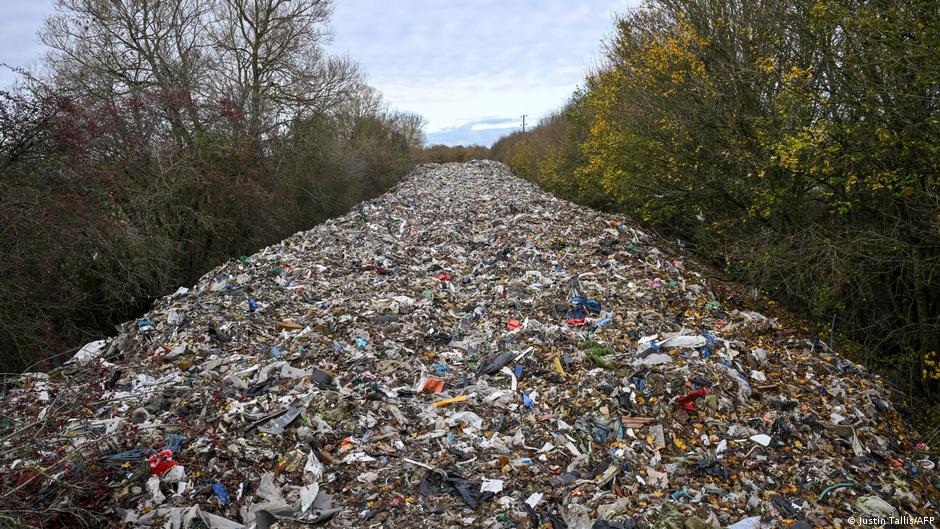
The most commonly targeted waste streams are those with high treatment costs, including Waste Electrical and Electronic Equipment (WEEE), End-of-Life Vehicles (ELVs), fluorinated gases, textiles, and low-grade plastics. Criminals, often employing industry experts within their ranks, will strategically sort and process these materials. Valuables are recycled and sold on legitimate markets, while the remaining, often hazardous, waste is illegally dumped or exported to countries with laxer environmental enforcement. A stark illustration of this problem emerged recently with the discovery of a massive, 6-meter-high mountain of garbage near the River Thames in Oxfordshire, England, containing waste from schools and local authorities – a testament to the abuse of waste management contracts and sub-contracted companies.
These groups leverage the open borders within the EU to move waste across jurisdictions, seeking out "destination countries" where enforcement is weaker, or corruption is more prevalent. The complexity of cross-border movements, combined with the sheer volume of legitimate waste trade, provides an ideal camouflage for illegal activities. For a deeper dive into the economics behind these illicit operations, explore From Trash to Treasure: Inside Europe's Illicit Waste Market.
Devastating Repercussions: Environmental, Social, and Economic Fallout
The consequences of unchecked international waste trafficking are catastrophic and far-reaching, impacting the environment, human rights, and the economy.
- Environmental Degradation: Illegal waste dumping sites, often in secluded rural areas or sensitive ecosystems, lead to severe soil, water, and air contamination. Hazardous substances leach into groundwater, pollute rivers and streams, and release toxic fumes into the atmosphere. This not only destroys natural habitats but also creates long-term ecological damage that can take decades, if not centuries, to remediate. The uncontrolled movement of hazardous waste directly undermines the EU's ambitious transition to a greener, more sustainable economy.
- Threat to Human Rights and Public Health: Viewing waste trade through a human rights lens reveals its profound impact on vulnerable communities. People living near illegal dump sites are exposed to a cocktail of toxic chemicals, leading to respiratory illnesses, skin conditions, cancers, and developmental problems. Children are particularly susceptible. The lack of proper safety measures at these sites also poses immediate physical dangers, including fires and explosions.
- Economic Distortion and Unfair Competition: Illicit waste operations give criminal networks an immense, unfair advantage over law-abiding businesses that invest in compliant, environmentally sound waste management practices. This distorts the market, drives down prices for legitimate services, and can lead to job losses in the formal waste sector. Moreover, the public bears the financial burden of cleaning up these illegal dumps, diverting essential funds from other public services. This economic impact directly hinders the development of a robust circular economy, where resources are reused and recycled efficiently.
Navigating the Legal Labyrinth: Challenges in Enforcement and Legislation
Combating international waste trafficking is a complex endeavor, fraught with legal and logistical challenges. While international legislation provides a crucial framework, its enforcement remains a persistent hurdle.
Key international instruments like the Basel Convention on the Control of Transboundary Movements of Hazardous Wastes and their Disposal, the Bamako Convention, and the Lomé IV Convention aim to regulate the cross-border movement of waste, particularly hazardous materials. These agreements prohibit the export of hazardous waste from developed to developing countries without explicit consent and proper procedures. However, criminals expertly exploit loopholes, mislabeling waste, falsifying documents, and routing shipments through multiple countries to obscure their origin and destination.
Within Europe, enforcement is further complicated by the multi-layered governance structure. The European Commission is broadly responsible for overseeing environmental policy, but relies heavily on national agencies in each member state, alongside EU bodies like Europol and OLAF (European Anti-Fraud Office), to implement and enforce regulations. This distributed responsibility can lead to inconsistencies in enforcement, varying penalties, and difficulties in data collection – reliable statistics for such a clandestine market are notoriously hard to come by.
The cross-border nature of the crime means that perpetrators can operate from one country, dispose of waste in another, and impact communities in yet another. This necessitates robust international cooperation, harmonized legislation, and enhanced investigative capabilities across borders. Unfortunately, many national agencies are under-resourced or lack the specialized expertise to tackle sophisticated environmental crime. For an in-depth look at global efforts and challenges in this area, see Global Scramble: Enforcing Waste Laws Against Cross-Border Trafficking.
Combating the Scourge: Solutions and a Path Forward
Addressing international waste trafficking requires a multi-faceted and coordinated approach, combining stricter enforcement with preventative measures and technological innovation.
- Enhanced Multi-Agency Cooperation: Greater collaboration between national police forces, environmental agencies, customs authorities, and international bodies like Europol and OLAF is paramount. This includes sharing intelligence, conducting joint investigations, and developing standardized training for investigators.
- Strengthening Legislation and Penalties: Harmonizing national laws and ensuring consistent, deterrent penalties across Europe would make it less attractive for criminals. Fines must outweigh potential profits, and custodial sentences should reflect the severity of the environmental and public health damage.
- Technological Solutions: Implementing advanced tracking technologies, such as blockchain for waste manifests, satellite imagery for monitoring illegal dumps, and AI-driven data analysis to identify suspicious patterns in waste shipments, can significantly boost detection rates.
- Due Diligence and Supply Chain Transparency: Businesses and public institutions must exercise extreme due diligence when contracting waste management services. Demanding full transparency, verifying credentials, and conducting regular audits of their waste contractors can prevent unwitting complicity. Consumers also have a role to play in supporting ethical recycling initiatives.
- Public Awareness and Education: Raising public awareness about the dangers of illegal waste disposal and the mechanics of waste trafficking can empower communities to report suspicious activities and demand accountability from authorities and businesses.
The fight against international waste trafficking is not merely about enforcing laws; it's about safeguarding Europe's environment, protecting its citizens, and upholding the principles of a fair and sustainable economy. As our society generates more waste, the imperative to manage it responsibly, legally, and ethically becomes ever more critical. Only through collective action and unwavering commitment can we hope to turn the tide against this escalating environmental crime and ensure a cleaner, healthier future for all.