From Trash to Treasure: Inside Europe's Illicit Waste Market
What happens to your discarded electronics, old clothes, or even everyday household rubbish once it leaves your curb? While many diligently sort their waste, believing it will be responsibly managed, a darker reality is unfolding across Europe. For sophisticated criminal networks and opportunistic businesses, your trash is quite literally becoming a treasure, fueling a multi-billion euro illicit waste market. This escalating environmental crime, often referred to as
international waste trafficking, poses severe threats to the environment, human health, and the integrity of the legitimate waste management industry. The European Union’s law enforcement agency, Europol, has issued stark warnings, projecting a significant increase in the scale and sophistication of waste trafficking by 2025, solidifying its status as a "low-risk, high-profit margin" venture for criminals.
The Dark Side of Development: What is International Waste Trafficking?
The problem of
international waste trafficking is a stark consequence of rapid technological advancement and industrialization over the past few decades. At its core, this illicit trade involves the illegal movement, disposal, or recovery of waste materials across national borders, often in defiance of established environmental laws and international conventions. Understanding "waste" itself is crucial; it’s not just general refuse but also encompasses hazardous materials, electronic waste (WEEE), end-of-life vehicles (ELVs), textiles, and even low-grade plastics – categories that are increasingly costly to treat and dispose of legally.
The consequences of this illicit activity are profound and far-reaching. Environmentally, uncontrolled dumping leads to severe soil, water, and air contamination, poisoning ecosystems and threatening biodiversity. From a human rights perspective, communities, often vulnerable and marginalized, bear the brunt of these illegal operations. They face increased health risks from exposure to toxic substances, including respiratory illnesses, skin conditions, and long-term carcinogenic effects. Moreover, illegal dumps can attract vermin, spread diseases, and degrade living conditions, eroding the fundamental right to a safe and healthy environment.
The motivation for engaging in
international waste trafficking is predominantly economic. Legitimate waste disposal, especially for hazardous or complex materials, involves significant costs related to proper treatment, recycling, and safe landfilling. Criminals exploit this by offering cheaper, unregulated alternatives. They bypass expensive domestic and commercial waste disposal contracts, often leveraging corruption at various stages of the waste management chain. By falsifying documents, mislabeling containers, and exploiting loopholes in national and international legislation, these networks avoid legitimate costs, undercut law-abiding businesses, and generate substantial profits at the expense of public health and planetary well-being. This economic incentive, coupled with perceived low enforcement risks, makes waste trafficking an attractive proposition for organized crime.
Unmasking the Operators: How Europe's Illicit Networks Function
The perpetrators behind
international waste trafficking are a complex mix of traditional organized crime syndicates and seemingly legitimate businesses that opportunistically exploit regulatory inefficiencies and legal loopholes. These groups operate with significant sophistication, often employing industry experts to navigate the intricacies of waste classification, logistics, and international trade. Their methods are varied and cunning:
*
Bypassing Contracts: They actively seek out ways to circumvent legitimate domestic and commercial waste disposal agreements, offering cheaper services that promise to handle waste, only to dump it illegally or send it abroad under false pretenses.
*
Corruption: Bribery and corruption are rampant at all stages of the waste disposal process, from waste producers to transporters, customs officials, and even regulatory bodies, facilitating the movement of illicit waste.
*
Falsified Documents: A common tactic involves creating fraudulent permits, invoices, and customs declarations that misrepresent the type, quantity, or origin of waste. For instance, hazardous waste might be labeled as recyclable materials, or general waste as construction debris.
*
Cross-Border Exploitation: Waste is frequently moved across borders to take advantage of slacker law enforcement, weaker environmental regulations, or lower disposal costs in destination countries, both within and outside the EU.
*
Resource Recovery & Dumping: Criminals often recycle and sell valuable components from collected waste (e.g., metals from WEEE) and then illegally dump the remaining, less profitable, or more hazardous residue.
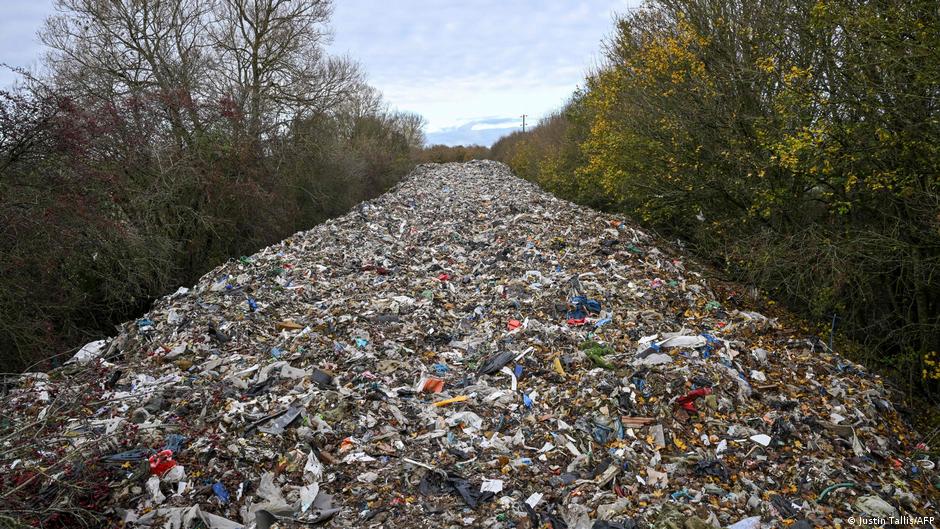
A recent high-profile case in the UK highlighted the scale of this issue, with the discovery of an enormous, 6-meter-high mountain of garbage near the River Thames in Oxfordshire. This illegal dump contained waste from schools and local authorities, strongly suggesting abuse of waste management contracts involving state institutions and sub-contracted legitimate companies. Such incidents underscore the pervasive nature of this crime, affecting even seemingly innocuous waste streams. To help combat this, businesses and individuals should always conduct thorough due diligence when selecting waste disposal contractors, verifying their licenses, permits, and track record. Look for signs of suspicious activity like uncharacteristically low prices, lack of transparency regarding disposal sites, or unusual operating hours.
The Global Scramble: Legal Frameworks and Enforcement Challenges
Combating
international waste trafficking requires a robust legal framework, both domestically and internationally. Key global agreements include:
*
The Basel Convention (1989): This landmark convention controls the transboundary movements of hazardous wastes and their disposal, aiming to minimize their generation and ensure environmentally sound management.
*
The Bamako Convention (1991): An African initiative, it goes further than Basel by prohibiting the import of all hazardous and radioactive wastes into Africa.
*
Lomé IV Convention (1989): This agreement, between the EU and African, Caribbean, and Pacific (ACP) states, also sought to prevent the dumping of European toxic waste in ACP countries.
Despite these vital international instruments, enforcement remains a significant challenge. The sheer complexity of waste classification, coupled with fragmented responsibilities across national and international agencies, muddies the waters. While the European Commission holds broad responsibility for enforcement, it relies heavily on individual member states' agencies, alongside EU bodies like Europol and OLAF. This multi-layered approach, while necessary, can lead to coordination gaps and inconsistent application of laws. Moreover, obtaining reliable statistics for such a clandestine market is inherently difficult, making it challenging to grasp the full extent of the problem and allocate resources effectively. As countries increasingly move towards a greener economy, the high treatment costs for specific materials like electronics and plastics create a powerful incentive for criminals, giving them an unfair advantage over law-abiding businesses. The global effort to enforce these laws against cross-border trafficking is a significant undertaking, requiring constant vigilance and innovation. Learn more about these enforcement efforts and the challenges faced in
Global Scramble: Enforcing Waste Laws Against Cross-Border Trafficking.
Combating the Tide: Efforts and Recommendations
The fight against
international waste trafficking is multifaceted, involving a range of combating efforts at national and international levels. Law enforcement agencies are increasing their focus on environmental crime, conducting joint operations, and sharing intelligence to dismantle criminal networks. Technological advancements are also playing a crucial role, with satellite monitoring, drone surveillance, and advanced data analytics helping to identify illegal dump sites and track suspicious waste movements. Some countries are exploring blockchain technology to enhance transparency and traceability within waste supply chains, making it harder for illicit waste to slip through the cracks.
Despite these efforts, the problem persists, highlighting the need for continuous vigilance and proactive strategies. To truly turn the tide against this escalating environmental crime, a concerted effort from all stakeholders is essential:
*
Strengthened Legislation and Penalties: Governments must ensure their domestic waste laws are robust, harmonized with international conventions, and carry penalties severe enough to deter criminals, making the "low-risk, high-profit" equation less appealing.
*
Enhanced Enforcement and Cooperation: Increased funding and training for environmental crime units, better cross-border collaboration between law enforcement agencies, customs, and environmental authorities are paramount.
*
Industry Due Diligence: Businesses generating waste must exercise extreme caution in selecting waste contractors, ensuring they are licensed, reputable, and can provide transparent documentation of waste disposal.
*
Public Awareness and Reporting: Educating the public about the dangers of illegal waste and encouraging them to report suspicious activities can provide vital intelligence to authorities.
*
Support for Circular Economy Initiatives: Investing in and promoting genuine circular economy models that reduce waste generation and facilitate legitimate recycling can shrink the pool of materials available for illegal trafficking.
The economic and environmental costs of
international waste trafficking are staggering, impacting everything from public health to the competitiveness of legitimate industries. For a deeper dive into the broader implications and escalating nature of this crime, read our article
Waste Trafficking: Europe's Escalating Environmental Crime.
Conclusion
The journey "From Trash to Treasure" for Europe's illicit waste market is a grim testament to the darker side of our consumption patterns and technological progress.
International waste trafficking represents a significant environmental crime that not only pollutes our planet and endangers human lives but also undermines the very foundations of a fair, green, and sustainable economy. While the challenge is immense, with organized crime networks displaying alarming adaptability and sophistication, the collective resolve to combat it is growing. Through stronger legal frameworks, enhanced enforcement, technological innovation, and heightened public awareness, Europe can strive towards a future where waste is genuinely a resource to be managed responsibly, rather than a commodity for criminals to exploit. The health of our planet and its inhabitants depends on it.